
National Bee Hive & Honey Traceability System Feasibility Study.
Protecting Australia's Beekeeping Future Through Smart Traceability
Building a world-leading traceability system for Australian beekeepers


Why It Matters
- Biosecurity Protection: Faster, more effective response to pest and disease outbreaks
- Market Access: Meet growing export requirements and capture premium pricing
- Industry Strength: Protect Australian honey's reputation and support sustainable growth
- Crisis Response: Coordinate emergency responses like AFB outbreaks more effectively
- Consumer Trust: Verify authenticity and provenance of Australian honey

Our Approach
We're learning from international success stories from New Zealand's rapid mobile-first adoption to Quebec's industry-led cooperative model - while designing a uniquely Australian solution.
Through comprehensive stakeholder engagement, we're ensuring the system works for everyone: from hobbyist beekeepers with a handful of hives to large commercial operations managing thousands.
 BUILDING AUSTRALIA'S BEEKEEPING FUTURE
 BUILDING AUSTRALIA'S BEEKEEPING FUTURE
How can a national traceability system protect our $100M+ honey industry from biosecurity threats while opening premium export markets?
We're conducting a comprehensive feasibility study funded by @AgriFuturesAustralia to answer exactly that question.
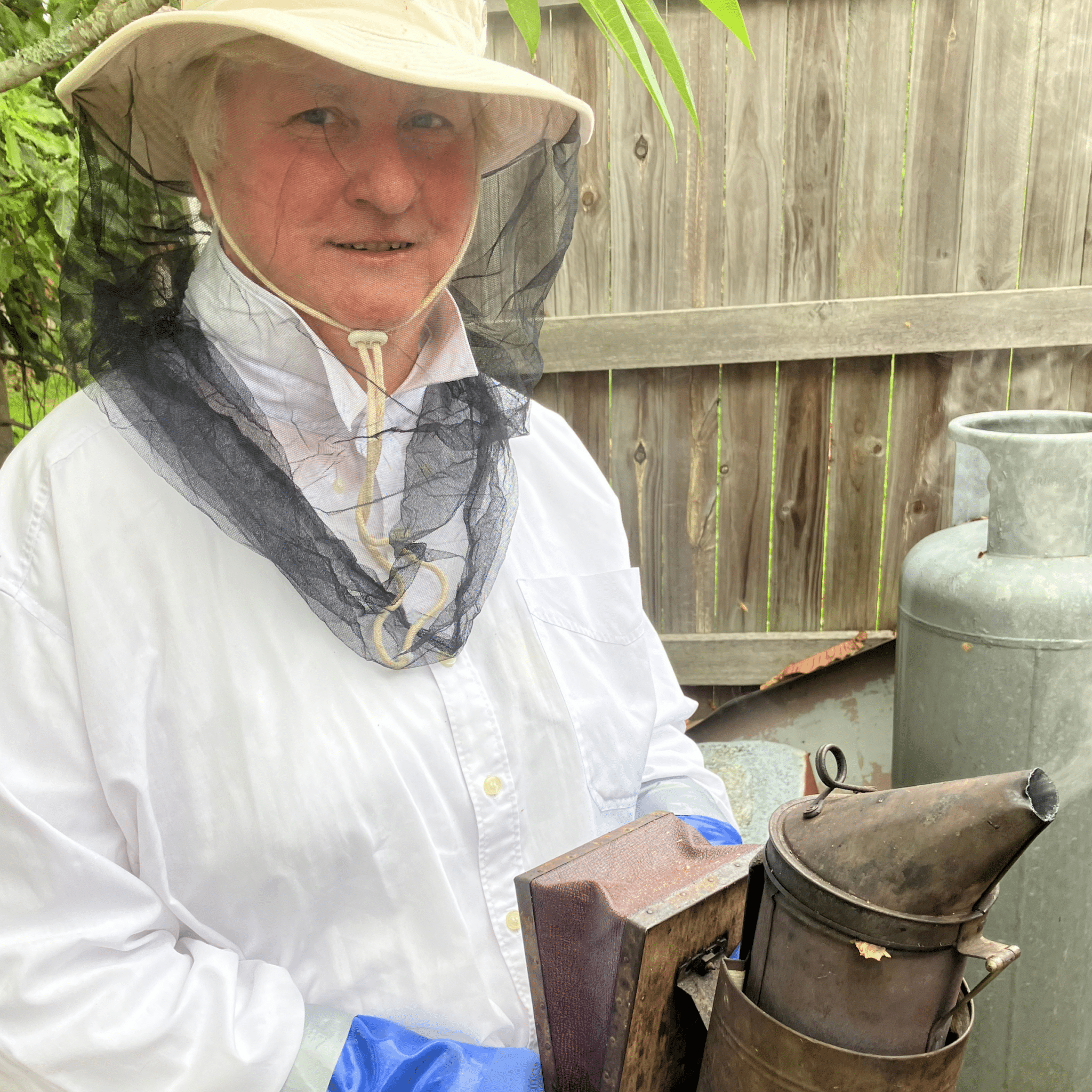
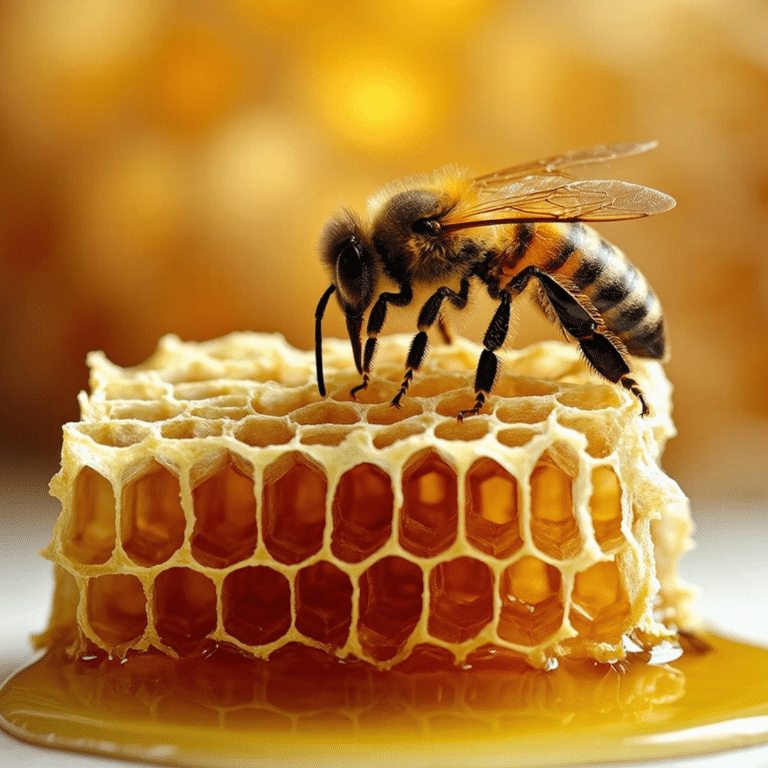
Your experience and insights are critical to getting this right. Whether you're a commercial beekeeper, hobby enthusiast, processor, or industry stakeholder, we want to hear from you. Participate in surveys, interviews, or follow our progress as we develop recommendations for Australia's beekeeping future.
Timeline: This time‑limited study is due to report with recommendations by May 2026.
Contact: [email protected]
Frequently Asked Questions
Q: What is this project about?
A: This is a national feasibility study to explore whether and how different traceability approaches could work for Australia’s beekeeping industry, including beekeepers’ willingness to adopt such systems.
Australia’s beekeeping industry is facing rising biosecurity risks from pests such as Varroa mite, at the same time as markets demand stronger proof of where honey comes from and that it is authentic.
The recent Varroa mite incursions in NSW exposed major gaps in hive traceability, with long delays in reconstructing movement histories during the emergency. International markets, especially in the EU and Asia, increasingly expect detailed traceability and authenticity, and reward compliant honey with premium prices. This feasibility study is therefore critical for biosecurity readiness, market competitiveness and regulatory compliance, and supports the National Agricultural Traceability Strategy 2023–2033 while directly addressing industry needs for better preparedness and market access.
Q: Will a National Beehive and Honey Traceability system be mandatory?
A: This is a feasibility study only. It is not designing or implementing a national system but exploring what types of traceability approaches might be useful, and whether they could be viable under Australian conditions.
Q: If a traceability system was implemented how is my data protected and who owns it?
A: Privacy and data security are paramount.
If, in future, a traceability system was developed, it would need to comply with Australian Privacy Principles and relevant state and territory laws. A key question in this study is how any future system could ensure that beekeepers remain the owners of their data, with permission‑based sharing for clear, agreed purposes only.
To share your views on this matter, email us at [email protected]
Q: Is this a way for government to monitor me or my sites?
A: No. The study is focused on understanding how traceability tools might support disease response, market access and industry resilience, if industry chose to pursue them in future. It is not about creating day‑to‑day monitoring of individual beekeepers or their sites.
Q: Would hive locations be public?
A: No. We recognise that hive location and movement information is highly sensitive, and protecting this data is a core design principle for any traceability system being considered. Access to sensitive information, such as exact apiary coordinates, would not be publicly searchable and would be restricted, tightly controlled and only available to trusted parties for clearly defined biosecurity purposes, such as an incursion response or natural disaster. As part of this feasibility study, one of the fundamental parameters being examined across the five case studies is how access to sensitive data is managed in practice, including what is shared, with whom, and under what circumstances.
Q: How much will it cost?
A: Understanding costs and possible funding approaches for different operation sizes is a core part of the feasibility study. The aim is to test options that provide clear value for beekeepers and keep business costs reasonable, including practical choices for small commercial and hobby operators.
Q: Why are you looking at traceability systems?
A: Traceability systems are being examined because they can deliver clear biosecurity, market, efficiency and reputational benefits for the Australian beekeeping industry.
Traceability can significantly reduce biosecurity incident response times by enabling rapid access to hive locations, movement histories and contact networks during an emergency. Early warning and monitoring functions can also provide advance notice of disease risks, supporting faster containment and more targeted interventions.
Q: What about hobby beekeepers?
A: This study is very much interested in what traceability could mean for hobby beekeepers, not just large commercial operators. The project is exploring what participation by hobbyists might look like in practice and whether it should be voluntary rather than mandatory.
We are looking at different levels of participation for hobby beekeepers, including whether opting in to a traceability system should be voluntary for those with only a small number of hives. It aims to map out a range of options, from simple, low‑cost and low‑effort tools suitable for backyard and small‑scale beekeepers, through to more advanced digital systems that larger commercial operators might consider.
The goal is to understand how hobbyists could be included in a way that supports good biosecurity outcomes without creating unnecessary burden, and to ensure any future recommendations are practical for all parts of the industry.
Q: When will the Beehive & Honey Traceability Feasibility Study start?
A: The current project is a time‑limited study, due to report with recommendations by May 2026. It is just the first step in a longer process and there will be more chances for beekeepers and industry to be involved. If government and industry decide to go ahead, there would be more detailed design work, more consultation and testing before anything is rolled out in stages.
Q: What are the benefits of a traceability system for beekeepers?
A: The feasibility study is testing whether a traceability approach could offer benefits such as:
- Cut the paperwork – one simple system that works across states and markets.
- Faster, more targeted pest and disease response – helping protect your hives and business.
- Easy proof of hive locations and movements – no more chasing forms or manual logs.
- Stops fraud and imported impersonators – protecting the value of genuine Australian honey.
- Stronger market access – meet buyer and export requirements with less effort.
- Premium pricing potential – verified Australian honey attracts better prices.
- Builds the Australian honey brand – helping all beekeepers benefit from a trusted national reputation.
- Bottom line – It makes compliance easier, strengthens biosecurity, and helps you get the true value for the honey you already produce.
Q: How can I share my views or get involved?
A: We welcome feedback from beekeepers and other industry stakeholders and would like to hear from you. You can contact the project team by email at [email protected] or via our dedicated Facebook page at https://www.facebook.com/share/p/17TcQupuCy/.
We will also be running industry surveys to collect more detailed information from beekeepers, so please follow our Facebook page for updates and opportunities to have your say.
Q: When will the final report be available?
A: The final report from this feasibility study is due by May 2026 and will be made available on the AgriFutures website. If you would like more information after it is released, you are welcome to get in touch with the project team from May 2026 onwards at [email protected]